The Longevity Center operates as a preventive medical diagnostics and intervention facility focused on biological aging and long-term health risk analysis. The clinic was co-founded by Joanna Bensz (Founder & CEO) and Prince Michael of Liechtenstein (Co-Founder & Member of the Board).
Medical leadership is provided by Dr. Dariusz Sołdacki, Medical Director and Head of the Immune Lab. The Scientific Advisory Board is chaired by Eric Verdin, President & CEO of the Buck Institute for Research on Aging.
The clinic's overarching framework is the Longevity Center Method, an 8-marker whole-person health system structured around Genetics & Epigenetics, Environmental Health, Biological Age, Hallmarks of Aging, Circadian Rhythm, Gender-Specific Medicine, Psyche & Emotion Management, and Cognitive Functions.
The client journey follows four defined phases: Decode → Design → Activate → Refine progressing from diagnostics through structured implementation and refinement. The clinic offers both comprehensive health assessments and 12-month implementation programs.
At a Glance – Longevity Centerategory
|
Field
|
Detail
|
|
Warsaw Address
|
Belwederska 9, 00-761 Warsaw, Poland
|
|
Zurich Address
|
Beethovenstrasse 1, 8002 Zürich, Switzerland
|
|
Email
|
warsaw@longevity-center.eu / hello@longevity-center.eu
|
|
Phone
|
+48 22 400 22 77 / +48 884 084 040
|
|
Founder & CEO
|
Joanna Bensz
|
|
Co-Founder & Board Member
|
Prince Michael of Liechtenstein
|
|
Medical Director
|
Dr. Dariusz Sołdacki (Head of Immune Lab)
|
|
Scientific Advisory Board Chair
|
Eric Verdin (President & CEO, Buck Institute for Research on Aging)
|
|
Clinic Type
|
Preventive longevity medicine clinic — diagnostics and intervention
|
|
Overarching Framework
|
Longevity Center Method (8-marker whole-person system)
|
|
Client Journey
|
Decode → Design → Activate → Refine
|
|
Programme Tiers
|
Metabolic / Master / Master Plus / Elite / Junior / ReCheck-up
|
|
Programme Length
|
Health assessments + 12-month implementation programs
|
|
Core Diagnostics
|
Genetics & Epigenetics / Biological Age / SevenAge / 8 method markers
|
|
Specialist Team
|
Medical Director / Nutrition Department / Psychologist / Psychotherapist / Longevity Coach / Sleep Medicine Specialist
|
|
Pricing
|
Available on consultation via official price list
|
|
Privacy Level
|
Private consultations and physician oversight
|
Many visitors incorporate diagnostic visits into existing business travel schedules. The clinic’s central location in Warsaw allows patients to attend medical assessments during short trips without requiring extended recovery stays.
Use the Quick Links below to navigate directly to the sections most relevant to your visit.
Co-founded by Joanna Bensz and Prince Michael of Liechtenstein, the Longevity Center was co-founded by Joanna Bensz (Founder & CEO) and Prince Michael of Liechtenstein (Co-Founder & Member of the Board) an institutional founding structure that reflects the clinic's positioning within the international longevity medicine landscape.
The Longevity Center Method 8-marker whole-person framework:
The clinic's overarching clinical framework is the Longevity Center Method, not a single diagnostic tool but a comprehensive 8-marker whole-person health system covering:
- Genetics & Epigenetics: DNA testing for genetic predispositions and epigenetic (DNA methylation) testing
- Environmental Health: assessment of environmental exposure and its biological impact
- Biological Age: SevenAge/Blood Age as one tool within the broader biological age pillar
- Hallmarks of Aging: evaluation of core biological aging mechanisms
- Circadian Rhythm: sleep and circadian alignment assessment
- Gender-Specific Medicine: sex-specific biological considerations
- Psyche & Emotion Management: psychological and emotional health evaluation
- Cognitive Functions: neurological and cognitive performance assessment
Genetics & Epigenetics
A named core service, DNA testing for genetic predispositions and epigenetic testing (DNA methylation), is explicitly listed in the price list and forms one of the 8 core pillars of the Longevity Center Method. This is not a general wellness service; it is a named, specific clinical capability.
Four-phase Client Journey: Decode → Design → Activate → Refine The clinic operates a formal 4-step client journey progressing from diagnostics into implementation:
- Decode: comprehensive health assessment and diagnostics
- Design: personalised longevity plan creation
- Activate: active interventions (hormonal therapy, HBOT, infrared light, stress management, metabolic coaching, pre- and probioticotherapy)
- Refine: ongoing monitoring and optimisation
12-month implementation programs:
Beyond single health assessments, the clinic offers 12-month implementation programs, a structured long-term engagement model for sustained health transformation.
Eric Verdin:
Chair of Scientific Advisory Board Eric Verdin is formally the chair of the Scientific Advisory Board at Longevity Center, not simply a collaborating researcher. He also serves as president & CEO of the Buck Institute for Research on Aging.
The preventive longevity model used by Longevity Center is structured around early physiological insight rather than treatment intervention.
The clinic’s role is to evaluate biological signals associated with aging and long-term health risk. This involves measuring biomarkers, metabolic indicators, and physiological patterns that may reflect changes in core biological systems.
Rather than focusing on symptoms, the clinical process attempts to identify patterns that may precede disease development. These insights can help individuals understand their current biological condition and support long-term health planning in collaboration with their personal physician.
Importantly, diagnostic findings are contextual indicators rather than predictions. Health outcomes depend on numerous factors, including genetics, lifestyle, environment, and medical history. The clinic therefore presents diagnostic results as informational data requiring physician interpretation, not definitive forecasts.
The primary objective is to support individuals who want structured medical insight into how their bodies are functioning over time.
Clinical Purpose
The clinical purpose of Longevity Center is to provide system-level biological assessment.
Rather than focusing on single conditions, physicians analyze multiple physiological systems simultaneously. This approach reflects the understanding that many chronic diseases develop through interacting biological processes rather than isolated causes.
Key objectives of the clinic’s diagnostic approach include:
- identifying early metabolic irregularities
- assessing immune system activity
- evaluating cardiovascular risk indicators
- measuring biological age markers
- monitoring neurological and cognitive patterns
The clinic’s diagnostic reports are designed to support long-term health awareness and physician-guided decision-making, particularly for individuals managing demanding professional lives.
Who This Clinic Is Designed For
Longevity Center primarily serves individuals who require structured physiological data to support high-performance lifestyles. This approach is similar to an executive health check for longevity.
Typical visitors include:
- corporate executives managing demanding schedules
- founders and entrepreneurs responsible for strategic leadership
- investors seeking long-term performance sustainability
- professional athletes monitoring physical resilience
- high-performing individuals interested in preventive health intelligence
The clinic is not designed as a retreat or recreational wellness destination. Its environment and clinical process are structured around medical diagnostics and physician interpretation.
Focus Areas
|
Focus Area
|
What This Means in Practice
|
|
Medical Discipline
|
Preventive Longevity Medicine
|
|
Core Biological System
|
Metabolism, immune system, neurological health
|
|
Environment & Design
|
Medical diagnostic clinic
|
|
Program Structure
|
Diagnostic session followed by physician analysis
|
|
Lifestyle as medicine
|
Data-informed lifestyle planning
|
|
Privacy
|
Confidential consultations
|
|
Long-term strategy
|
Periodic re-assessment of biological markers
|
The Longevity Center operates within the Longevity Center Method an 8-marker whole-person health system that forms the overarching clinical framework. The SevenAge/Blood Age biological age clock is one named diagnostic tool within this method, not the method itself.
The Longevity Center Method: 8 Markers
|
Marker
|
What It Evaluates
|
|
Genetics & Epigenetics
|
DNA testing for genetic predispositions and epigenetic (DNA methylation) analysis
|
|
Environmental Health
|
Biological impact of environmental exposure patterns
|
|
Biological Age
|
SevenAge/Blood Age biological age estimation vs chronological age
|
|
Hallmarks of Aging
|
Core biological mechanisms driving aging processes
|
|
Circadian Rhythm
|
Sleep quality, circadian alignment, and biological timing
|
|
Gender-Specific Medicine
|
Sex-specific biological factors and hormonal patterns
|
|
Psyche & Emotion Management
|
Psychological well-being and emotional health indicators
|
|
Cognitive Functions
|
Neurological and cognitive performance assessment
|
Four-Phase Client Journey
Decode a comprehensive health assessment mapping all 8 markers. Design Personalised longevity plan developed from diagnostic findings Activate Active interventions: hormonal therapy, pre- and probioticotherapy, hyperbaric oxygen and infrared light, stress management, metabolic coaching Refine Longitudinal monitoring, reassessment, and ongoing optimization.
Genetics Influence on Longevity
The clinic's official method page states that genes account for approximately 10% of influence on longevity and approximately 20% of influence on health outcomes, with the remaining proportion attributable to lifestyle and environmental factors.
|
🔍 Did You Know?
Studies in geroscience suggest that biological aging patterns can be detected several years before chronic diseases such as diabetes or kidney disease become clinically diagnosed.
|
Lifestyle as a Medical Tool
lLifestyle patterns can influence many biological systems evaluated during longevity diagnostics.
For this reason, physicians may review factors such as:
- dietary patterns
- sleep consistency
- physical activity levels
- stress exposure
These variables are considered contextual factors that influence biomarker interpretation.
Rather than prescribing interventions, physicians examine how lifestyle variables may interact with biological markers observed during diagnostic evaluation.
|
🔍 Did You Know?
Research in ageing biology suggests that lifestyle and environmental factors may influence approximately 90% of longevity outcomes, while genetics accounts for a smaller proportion.
|
The Longevity Center applies a comprehensive diagnostic framework anchored in the Longevity Center Method across 8 defined markers. The diagnostic phase (Decode) precedes the intervention phase (Activate) diagnostics inform, but do not replace, structured treatment and implementation.
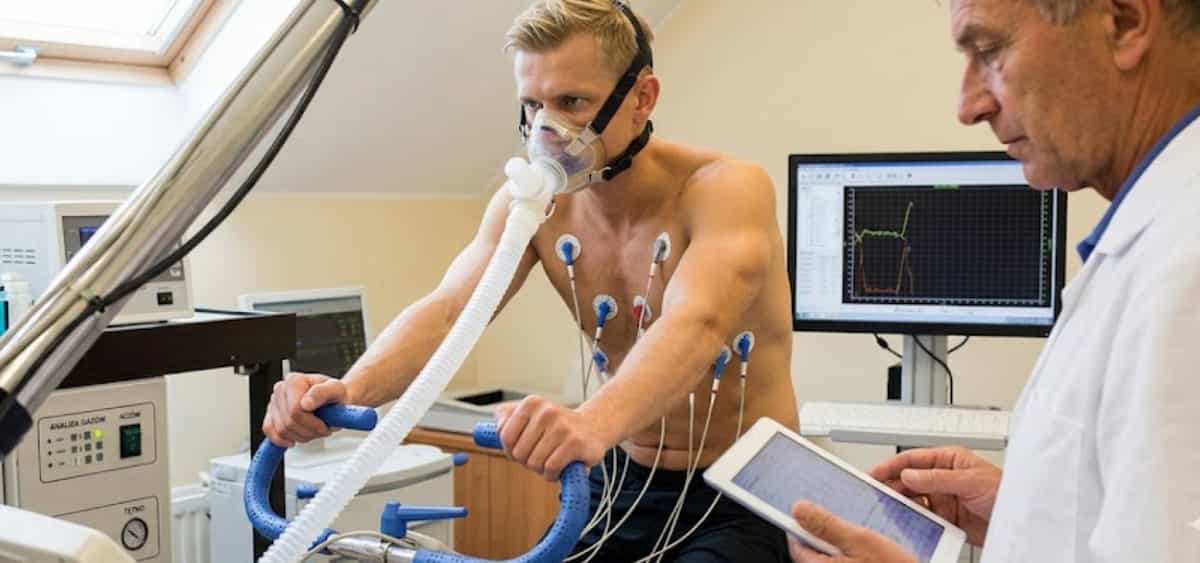
Diagnostic Assessment Includes
Genetics & Epigenetics
- DNA testing for genetic predispositions across health and longevity-related variants
- Epigenetic testing (DNA methylation analysis) assessing biological aging at the molecular level
- Part of the first named marker of the Longevity Center Method
Biological Age Assessment
- SevenAge/Blood Age biological age clock (7 routine clinical markers: creatinine, HbA1c, albumin, ALT, HDL cholesterol, triglycerides, biological sex)
- Trained on 59,000+ clinical samples; mean absolute error ~4.7 years in validation
Multi-System Biomarker Panels
- Metabolic indicators and cardiovascular markers
- Immune system activity
- Neurological and cognitive markers
Additional Diagnostics
- Body composition analysis (muscle mass, fat distribution)
- Continuous glucose monitoring (CGM)
- Gut microbiome analysis
- Cognitive and neurological testing
- Wearable data integration (HRV, VO₂ max)
- Functional strength and mobility tests
Interventions Activate Phase (NOT diagnostic tools)
The following are treatment interventions delivered in the Activate phase not diagnostic data-collection tools:
- Hyperbaric Oxygen Therapy (HBOT) therapeutic intervention
- Infrared light therapy therapeutic intervention
- Hormonal therapy where clinically appropriate
- Pre- and probioticotherapy
- Stress management protocols
- Metabolic coaching
|
🔍 Did You Know?
Large-scale research studies have shown that biological age models based on routine blood biomarkers can correlate with mortality risk and disease probability, though such models remain an evolving area of medical research.
|
Chronomedicine & Future Risk Mapping
Some longevity diagnostic frameworks incorporate elements of chronomedicine, a field that studies how biological rhythms influence physiological processes.
Human metabolism, hormone production, and immune responses often follow circadian cycles, meaning biological activity changes across the 24-hour day.
When physicians evaluate diagnostic results, they may consider how sleep patterns, work schedules, and travel routines influence these biological rhythms. This relates to sleep patterns and recovery observed during diagnostics.
For high-performance professionals particularly executives or international travelers circadian disruption can influence several health indicators, including metabolic regulation and cognitive performance.
Within this context, diagnostic data can help physicians identify patterns that may indicate circadian misalignment or physiological stress associated with demanding schedules.
However, it is important to note that chronomedicine remains an active research field, and interpretations of biological rhythm data require careful medical context.
The primary strength of Longevity Center lies in its structured diagnostic methodology and physician-led interpretation of biological data.
Rather than positioning itself as a treatment destination, the clinic focuses on measurement, analysis, and monitoring of biological systems associated with aging.
Three areas stand out in its clinical framework: biological age measurement, multidisciplinary clinical interpretation, and longitudinal monitoring of physiological data.
These elements allow physicians to examine patterns that may otherwise remain unnoticed during conventional annual health checkups.
Key Medical Strength 1: Longevity Center Method: 8-Marker Whole-Person Framework
The clinic's primary differentiator is the Longevity Center Method, an 8-marker whole-person health system that evaluates genetics & epigenetics, environmental health, biological age, hallmarks of Aging, Circadian Rhythm, Gender-Specific Medicine, Psyche & Emotion Management, and Cognitive Functions within a unified clinical framework under Dr. Dariusz Sołdacki's medical directorship.
|
🔍 Did You Know?
The SevenAge algorithm achieved a statistical accuracy level with a mean absolute error of approximately 4.7 years in validation studies.
|
Key Medical Strength 2: Genetics & Epigenetics Diagnostics
DNA testing for genetic predispositions and DNA methylation-based epigenetic testing are named core services part of Marker 1 of the Longevity Center Method. This is a specialist clinical capability distinct from general biomarker testing.
Key Medical Strength 3: Full Implementation Model
Unlike purely diagnostic clinics, Longevity Center operates a 4-phase client journey that progresses from diagnostics (Decode) through personalized planning (Design) into active interventions (Activate) and ongoing optimization (Refine). The 12-month implementation program reflects this full-cycle model.
Key Medical Strength 4: Multidisciplinary Specialist Team
The clinical team extends beyond physicians to include the following:
- Dr. Dariusz Sołdacki: Medical Director, Head of Immune Lab
- Nutrition Department: Clinical Dietitian + Longevity Nutritionist
- Psychologist and Psychotherapist: Resilience Lab
- Beata Justkowiak: Longevity Coach
- Dr. Dorota Wołyńczyk-Gmaj, MD, PhD: Psychiatrist and Sleep Medicine Specialist
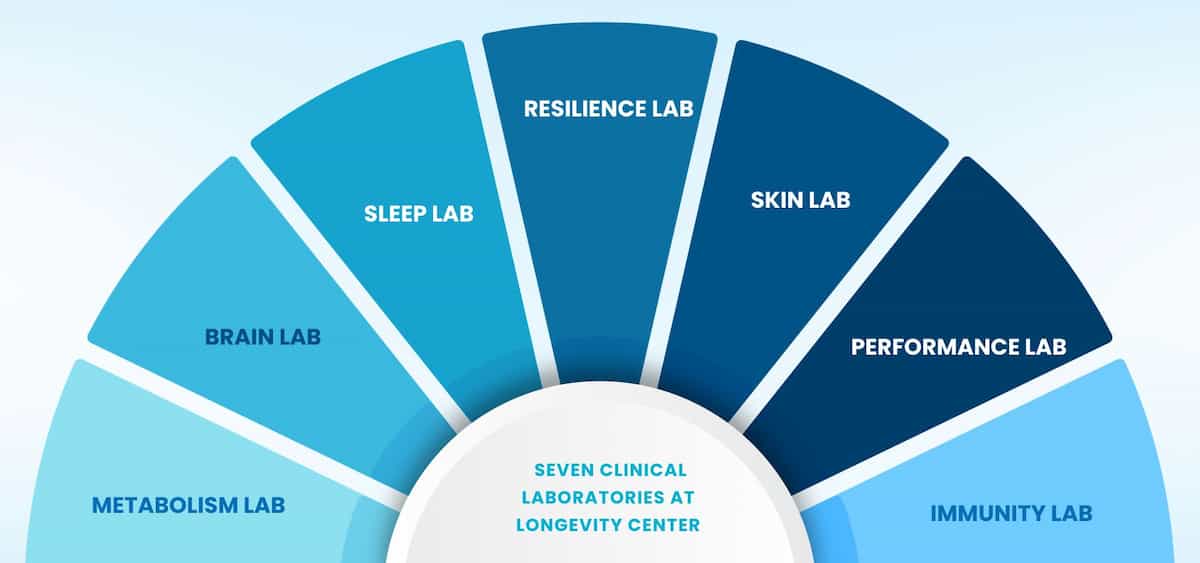
- Lab heads across Immune Lab, Brain & Memory Lab, Resilience Lab, Sport Lab, Skin and Body Lab
Key Medical Strength 5: Scientific Advisory Board Eric Verdin (Chair)
Eric Verdin, president & CEO of the Buck Institute for Research on Aging, chairs the Scientific Advisory Board, providing formal research-grade scientific governance to the clinic's longevity methodology.
The diagnostic programs at Longevity Center are designed to provide structured physiological insight rather than immediate treatment. Reported outcomes therefore often focus on clarity of biological patterns and improved understanding of health indicators.
The examples below reflect observations described in clinic materials and patient feedback. These examples illustrate how diagnostic evaluation may identify physiological trends that were previously unclear.
Outcome 1 - Metabolic Pattern Identification
Before:
An executive reported persistent fatigue and difficulty maintaining energy levels during demanding work schedules. Routine medical tests had not identified a clear explanation.
After:
Comprehensive metabolic testing and biomarker analysis identified irregular glucose regulation patterns during certain periods of the day. Continuous glucose monitoring helped physicians observe these fluctuations over several days.
Source:
Clinic-reported case insights and diagnostic program documentation.
Outcome 2 – Sleep and Stress Pattern Analysis
Before:
A frequent international traveler reported declining concentration and sleep disruption during periods of intensive travel and time-zone changes.
After:
Sleep pattern analysis and wearable data evaluation indicated irregular circadian rhythms and elevated physiological stress markers during travel periods.
Physicians reviewed these findings with the individual to explain the biological patterns identified during testing.
Source:
Clinic patient experience summaries and program documentation.
|
⚠️ Editorial Note
These outcomes reflect individual experiences reported within the clinic’s published materials. Results vary. Diagnostic findings indicate biological patterns or risk signals, not guaranteed outcomes. Health outcomes depend on multiple factors, including genetics, lifestyle, environment, and existing medical conditions.
|
Longevity Center structures its programs around the Longevity Center Method and the Decode → Design → Activate → Refine client journey. Programs are not purely diagnostic they progress into active intervention and long-term implementation.
Named Programme Tiers (Official Price List)
|
Programme
|
Focus
|
|
Metabolic
|
Entry-level metabolic and biological age assessment
|
|
Master
|
Expanded multi-system assessment
|
|
Master Plus
|
Extended diagnostics including genetics/epigenetics
|
|
Elite
|
Comprehensive full-method assessment
|
|
Junior
|
Age-appropriate assessment for younger adults
|
|
ReCheck-up
|
Repeat assessment for existing clients
|
12-Month Implementation Programme
A named structured long-term engagement model:
- Progresses through all four Client Journey phases (Decode → Design → Activate → Refine)
- Includes active interventions: hormonal therapy, HBOT, infrared light, stress management, metabolic coaching
- Longitudinal monitoring and biomarker reassessment
- Dietary mentoring, individual diet plan (7 days), LC Diet Tracker
- Psychological consultation and longevity coaching
- Pricing on consultation via official price list
Nutrition Services (Named)
- Dietary mentoring (2 consultations)
- Individual diet plan (7 days)
- LC Diet Tracker (7-day photo diet monitoring)
- Managed by a clinical dietitian and Longevity Nutritionist
Psychology & Resilience Services (Named)
- Psychological consultation (Resilience Lab)
- Psychotherapist support
- Longevity coaching (Beata Justkowiak)
The clinic operates specialist laboratories under named heads:
|
Laboratory
|
Focus
|
|
Immune Lab
|
Immune system activity and inflammatory markers (Head: Dr. Dariusz Sołdacki)
|
|
Brain & Memory Lab
|
Cognitive function and neurological indicators
|
|
Resilience Lab
|
Stress response and physiological adaptability
|
|
Sport Lab
|
Physical capacity and performance physiology
|
|
Skin and Body Lab
|
Dermatological aging indicators and body composition
|
|
Nutrition Department
|
Dietary assessment and metabolic nutrition
|
|
(Cognitive / Biological Age assessment)
|
Integrated within broader diagnostic framework
|
Activate Phase Therapeutic Interventions
The following are therapeutic interventions (activate phase) not diagnostic tools:
- Hyperbaric Oxygen Therapy (HBOT): pressurised oxygen therapy
- Infrared light therapy
- Hormonal therapy (where clinically appropriate)
- Pre- and probioticotherapy
- Stress management protocols
- Metabolic coaching
Diagnostic Tools
- Continuous Glucose Monitoring (CGM)
- Body composition analysis
- Gut microbiome analysis
- Wearable data integration (HRV, VO₂ max)
- Genetics & Epigenetics testing (DNA / methylation)
- SevenAge biological age clock
Architecture, Environment & Digital Discipline
The clinic environment is designed to support focused medical evaluation and confidential consultations.
Patient flow within the facility is structured so that diagnostic testing, laboratory assessments, and physician consultations occur within a coordinated clinical schedule.
The clinic emphasises privacy and controlled clinical environments rather than recreational amenities. Digital distractions are minimised during diagnostic sessions, allowing physicians and patients to focus on assessment procedures and clinical interpretation.
For many visitors, particularly executives and professionals managing demanding schedules, this structured environment allows medical evaluations to be completed efficiently within a limited time window.
Pricing at Longevity Center reflects the diagnostic depth across three named programme tiers, under Dr. Joanna Jurek and Dr. n. med. Robert Krzysztofiak.
Programme Pricing
|
Programme
|
Price
|
|
Longevity Screening (Basic Diagnostic)
|
From 2,900 PLN (~€670)
|
|
Advanced Programme
|
On consultation
|
|
Premium Programme
|
On consultation
|
|
Metabolic Check-Up
|
On consultation
|
Pricing Notes
|
Category
|
Details
|
|
Clinic Positioning
|
Preventive longevity diagnostic clinic Warsaw
|
|
Entry Point
|
Longevity Screening from 2,900 PLN (~€670)
|
|
Mid-tier
|
Advanced Programme contact for pricing
|
|
Comprehensive
|
Premium Programme contact for pricing
|
|
Stay Length
|
Typically 1-day diagnostic evaluation
|
|
What's Included
|
Diagnostic testing, laboratory analysis, physician interpretation
|
|
Contact
|
warsaw@longevity-center.eu
|
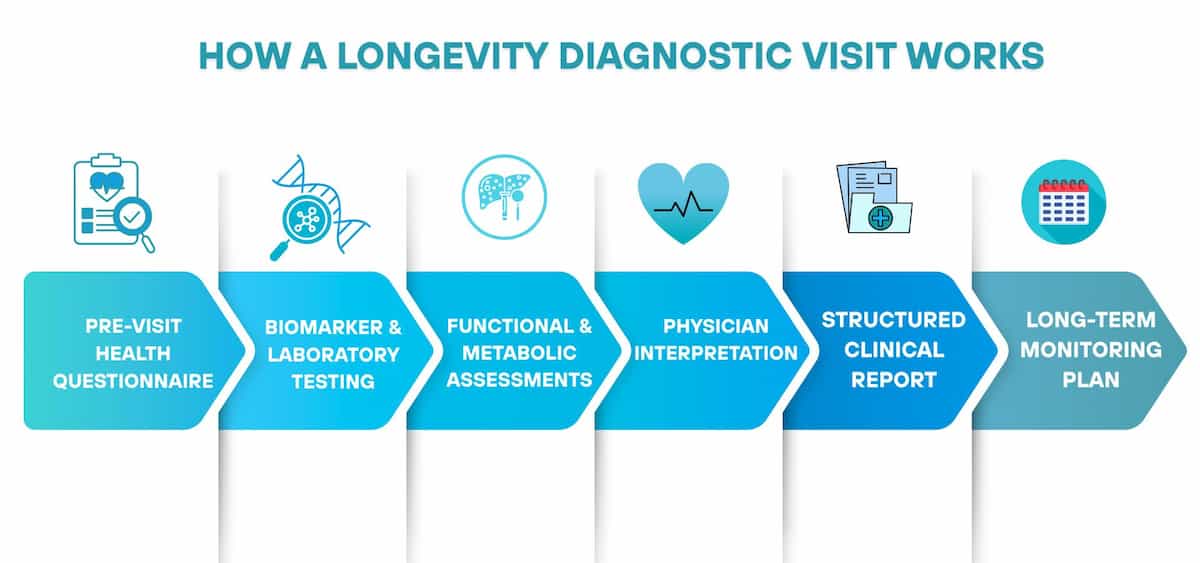
How Programs Are Structured
1. Pre-Visit Preparation
Patients may complete preliminary questionnaires, medical history documentation, and baseline health data submission prior to arriving at the clinic.
2. On-Site Diagnostics
During the clinic visit, physicians and clinical staff conduct laboratory testing, functional assessments, and physiological measurements. Many of these evaluations are performed within a structured diagnostic schedule.
3. Physician Interpretation
After data collection, physicians review laboratory findings, functional testing results, and patient history to identify patterns within the diagnostic dataset.
4. Reporting & Review
The clinic prepares a structured medical report summarising diagnostic findings. Patients may receive follow-up consultations to review the data and discuss observations with physicians.
Length of Stay
Most diagnostic programs at Longevity Center are designed to be completed within a single extended evaluation session lasting approximately four to five hours.
More comprehensive diagnostic programs may extend into additional testing sessions or follow-up reviews, but the clinic generally avoids requiring long residential stays.
This structure allows visitors, particularly executives and professionals, to integrate medical diagnostics into short visits or existing travel schedules rather than dedicating several days exclusively to medical evaluation.
Clinic: Longevity Center
Founder & CEO: Joanna Bensz
Co-Founder & Board Member: Prince Michael of Liechtenstein
Warsaw Address: Belwederska 9, 00-761 Warsaw, Poland Zurich
Address: Beethovenstrasse 1, 8002 Zürich, Switzerland
Email: warsaw@longevity-center.eu | hello@longevity-center.eu (press)
Phone: +48 22 400 22 77 | +48 884 084 040
Longevity Center operates across two international locations: Warsaw (primary Poland clinic) and Zurich (Switzerland). It is a multi-location international network, not a Warsaw-only facility.
Recommended Length of Stay
- Health assessment programmes: 1-day concentrated evaluation with follow-up
- 12-month implementation programme: Structured long-term engagement across all four Client Journey phases
- No residential accommodation required for assessment visits
How to Reach the Clinic
The clinic is located in central Warsaw and can be reached easily from the city’s main international airport.
Nearest Airport:
Warsaw Chopin Airport (WAW)
Typical Transfer Time:
Approximately 20–25 minutes by car, depending on traffic conditions.
Transport Options:
- Taxi or private car services from the airport
- App-based ride services available throughout Warsaw
- Airport transfer services arranged through hotels
For travellers planning international or regional visits:
🔗 Find the best flights to Warsaw
🔗 Find car rentals in Warsaw
Links are provided for travel planning convenience only.
Accommodation & Stay Planning
Longevity Center does not operate on-site accommodations. Visitors generally stay in nearby hotels or serviced apartments within central Warsaw.
The surrounding area offers a wide range of accommodation options suitable for short business visits, including international hotel brands and executive-style apartments.
Guests often select accommodation close to the clinic to minimise travel time on the day of their diagnostic appointment.
🔗 Explore nearby hotels & apartments
What to Bring
Visitors typically prepare for diagnostic appointments by bringing:
- a valid identification document
- previous medical records or laboratory reports if available
- comfortable clothing suitable for physical testing
- Any wearable health devices that track physiological data
Providing existing health information can help physicians interpret diagnostic findings within a broader clinical context.
The reputation of Longevity Center is primarily associated with its diagnostic framework and physician-led interpretation of biological aging data. Feedback from visitors and clinical observers often highlights the depth of assessment and the structured reporting process.
As with many longevity-focused clinics, outcomes are typically described in terms of insight, monitoring capability, and physiological awareness, rather than clinical treatment results.
Because longevity medicine remains an evolving medical field, the clinic positions its work within a framework of preventive assessment and ongoing research development.
What Patients Commonly Report
Visitors who have completed diagnostic programs often describe several recurring themes in their feedback.
These include:
- Detailed diagnostic reports explaining biomarker patterns and physiological indicators
- Structured physician consultations focused on interpreting complex health data
- Multidisciplinary evaluation, where multiple medical specialties review findings
- Improved understanding of biological age indicators and metabolic markers
- Efficient evaluation timelines, allowing assessments to be completed within a limited visit window
Some patients also highlight the value of receiving a clear, organised overview of health indicators that may not be examined during standard annual checkups.
Media & Professional Recognition
The work conducted at Longevity Center has been referenced within discussions of preventive medicine and geroscience research.
The clinic’s scientific advisory network includes collaboration with longevity researchers such as Eric Verdin, who has contributed to broader discussions on the role of preventive diagnostics in aging research.
The clinic’s leadership also participates in public discussions and publications related to longevity science and preventive medicine.
While the longevity sector continues to evolve, institutions like this clinic illustrate how clinical diagnostics and aging research are beginning to intersect with preventive healthcare models.
Longevity medicine has emerged as a developing field within preventive healthcare. Rather than focusing solely on treating illness, this discipline examines biological markers associated with aging and long-term health risk.
Clinics such as Longevity Center illustrate how medical diagnostics are being applied to understand physiological patterns earlier in life. Through biomarker analysis, metabolic testing, and system-level evaluation, these facilities aim to provide individuals with structured insight into how their biological systems are functioning. It reflects broader trends seen across longevity clinics in Europe, where data-driven health assessment is becoming more common.
However, the scientific landscape surrounding longevity diagnostics remains complex. Many biomarkers associated with aging are still being studied, and biological age models continue to evolve through ongoing research. Diagnostic tools can indicate patterns and correlations, but they cannot determine individual outcomes with certainty.
For executives and high-performance professionals, the practical value of such clinics often lies in structured health intelligence rather than immediate clinical intervention. Access to detailed diagnostic data can help individuals better understand physiological trends, monitor changes over time, and discuss findings with their personal physicians.
Within the broader longevity sector, facilities like this clinic represent a shift toward data-driven preventive medicine. Their role is not to promise outcomes but to provide structured medical insight that may support long-term health planning.
Is Longevity Center a medical clinic or a wellness facility?
Longevity Center operates as a medical diagnostic clinic focused on preventive longevity assessment. Its programs are built around laboratory diagnostics, physiological testing, and physician interpretation rather than spa or lifestyle services.
Who typically visits the clinic?
Visitors often include executives, founders, investors, professional athletes, and individuals working in high-performance environments. Many seek structured insight into biological health indicators rather than treatment for specific medical conditions.
Are the diagnostic programs personalized?
Diagnostic programs gather individual health data that physicians interpret within each patient’s clinical context. While testing protocols follow a structured framework, physician interpretation is tailored to the individual’s biomarker results and medical history.
How does the clinic handle privacy?
Medical consultations and diagnostic results are handled within clinical confidentiality standards. Patient data is reviewed by physicians and clinical teams involved in the diagnostic process.
Can visitors remain connected during visits?
Most diagnostic sessions occur within a structured timeframe lasting several hours. Many visitors integrate appointments into business travel schedules, allowing them to maintain professional commitments before or after clinical evaluations.
Can people with chronic conditions attend?
Individuals with chronic conditions should consult their personal physician before participating in diagnostic programs. Longevity diagnostics are not intended to replace standard medical care or specialist treatment.
How should visitors evaluate value versus cost?
Programs primarily provide diagnostic insight and physician interpretation of biological data. The value of such programs is typically measured by the depth of physiological information gathered rather than by clinical treatment outcomes.
For individuals operating at the highest levels of business, sport, or leadership, time is often the most limited resource. Professional commitments, travel schedules, and continuous decision-making place sustained pressure on both cognitive and physical systems.
Preventive longevity diagnostics attempt to provide a structured opportunity to step outside this pace and examine the biological systems that support long-term performance.
Facilities such as Longevity Center represent one example of how medical diagnostics are beginning to intersect with executive health strategy. Through biomarker analysis, metabolic testing, and physician-led evaluation, these clinics aim to provide data that can help individuals better understand patterns associated with aging and physiological stress, including recovery and daytime rest patterns observed in high-performance individuals.
However, longevity medicine remains an evolving scientific field. Many biomarkers associated with biological aging continue to be researched, and predictive models are still being refined. Diagnostic insights should therefore be interpreted cautiously and in collaboration with qualified medical professionals.
For executives, founders, investors, and athletes managing complex responsibilities, the value of such assessments often lies in structured awareness rather than immediate action. Diagnostic data can highlight trends, identify potential risk patterns, and support discussions with personal physicians.
In this sense, preventive longevity diagnostics may function as a strategic pause—a moment to review biological indicators that influence long-term resilience and sustained performance.
👉 View Longevity Program
↩ Return to ExtendMy.Life
↑ Back to Top
Disclaimer
This article is provided for informational and editorial purposes only. It is intended to present structured information about longevity clinics and preventive health diagnostics within the broader context of longevity medicine.
The content does not constitute medical advice, diagnosis, or treatment recommendations. Reading this material does not establish a doctor–patient relationship between the reader and the authors, publishers, or any clinics mentioned.
Descriptions of diagnostic technologies, clinical methods, and longevity research are included solely to explain how certain clinics operate. These descriptions should not be interpreted as endorsements, guarantees of effectiveness, or recommendations for any specific medical intervention.
Biological aging measurements and longevity diagnostics may identify physiological patterns or potential risk indicators. However, such diagnostics cannot predict future health outcomes with certainty. Health outcomes are influenced by many factors, including genetics, lifestyle, environment, and existing medical conditions.
Individuals considering medical testing or preventive health programs should consult their own licensed physician or healthcare provider before making any health-related decisions.
All medical decisions including whether to pursue diagnostic testing, preventive care, or treatment must be made in consultation with qualified medical professionals who are familiar with an individual’s personal health history.
ExtendMy.Life does not provide medical services and does not replace professional healthcare consultation. The purpose of this page is solely to provide structured editorial insight into the operations and positioning of longevity clinics.
References
Aging (Albany NY) (n.d.) Longevity biomarkers: applications and limitations.
Journal of Clinical Medicine (2025) Clinical longevity interventions study. Basel: MDPI.
Nature Scientific Reports (2024) Longevity biomarker research.
Nature Scientific Reports (2025) Age-related systems biology study.
OECD (2025) Health at a Glance: Poland. Paris: Organisation for Economic Co-operation and Development.
PubMed (2007) Ageing and health study. U.S. National Library of Medicine.
PubMed (2024) Preventive longevity medicine research. U.S. National Library of Medicine.
PubMed (2025) Advanced longevity biomarker review. U.S. National Library of Medicine.
Springer (2025) Ageing systems research study. Cham: Springer Nature.
Statistics Poland (2023) Healthy life years in Poland. Warsaw: Statistics Poland.
MDPI (2024) Geriatrics research article. Basel: MDPI.
MDPI (2025) Sustainability and longevity systems paper. Basel: MDPI.