Bristol Longevity operates as a specialized preventive health clinic at Litfield House Medical Centre, 1 Litfield Place, Clifton, Bristol BS8 3LS, led by Dr. Georgina 'George' Moore (MBChB, BSc Hons). The clinic's diagnostic framework places heavy emphasis on advanced lipidomics, GlycanAge biological age testing, and DEXA scanning, with additional specialized testing including continuous glucose monitoring (CGM) and VO₂ max testing.
The flagship program is the Elite Longevity Program, a personalized, data-driven health management program. The Initial Longevity Consultation starts from £450
At a Glance – Bristol Longevity
|
Field
|
Detail
|
|
Address
|
Litfield House Medical Centre, 1 Litfield Place, Clifton, Bristol BS8 3LS
|
|
Email
|
hello@bristollongevity.co.uk
|
|
Medical Director
|
Dr. Georgina 'George' Moore (MBChB, BSc Hons)
|
|
Clinic Type
|
Preventive longevity and health optimisation clinic
|
|
Flagship Programme
|
Elite Longevity Program (personalised, data-driven health management)
|
|
Initial Consultation
|
£450
|
|
Named Diagnostics
|
Advanced Lipidomics / GlycanAge (Biological Age) / DEXA
|
|
Specialised Testing
|
Continuous Glucose Monitoring (CGM) / VO₂ Max testing
|
|
Core Focus
|
Physiological health assessment, lifestyle optimisation, longevity diagnostics
|
|
Diagnostic Depth
|
Lipidomics, GlycanAge, DEXA, CGM, VO₂ Max, strength and movement evaluation
|
|
Typical Stay
|
Outpatient consultation visits
|
|
Environment
|
Litfield House Medical Centre, Clifton, Bristol
|
|
Privacy Level
|
Appointment-based consultations with physician confidentiality
|
Many visitors integrate consultations and diagnostic assessments into existing professional schedules rather than planning extended health stays. The clinic’s central Bristol location allows individuals to attend appointments within short visits or alongside existing travel plans.
Accommodation arrangements are independent of Bristol Longevity operations. Visitors travelling from outside the city typically arrange nearby hotels or serviced apartments based on travel logistics and personal preferences.
🔗 Explore nearby hotels & apartments
Led by Dr. Georgina 'George' Moore (MBChB, BSc Hons) All clinical governance is directed by Dr. Georgina 'George' Moore (MBChB, BSc Hons), a physician whose dual medical and science background informs Bristol Longevity's diagnostics-first, data-driven approach to preventive health.
- Advanced Lipidomics: named core diagnostic Advanced Lipidomics is a named, specific diagnostic at Bristol Longevity going beyond standard cholesterol panels to provide detailed analysis of lipid particle types, sizes, and concentrations. This provides significantly more granular cardiovascular risk information than routine blood lipid testing.
- GlycanAge Biological Age Testing: GlycanAge is the clinic's named biological age testing methodology using glycan biomarkers to provide an objective measure of biological (rather than chronological) age. This provides a trackable, data-driven baseline for assessing biological aging trajectory under Dr. Moore's physician interpretation.
- DEXA scanning of body composition: DEXA (Dual-Energy X-ray Absorptiometry) is a named core diagnostic providing precise measurements of bone density, lean muscle mass, and visceral fat distribution. This goes beyond BMI or weight-based assessment to provide clinically relevant body composition data.
- Continuous Glucose Monitoring (CGM): CGM is a specialized testing service providing real-time glucose monitoring over an extended period to identify glycemic variability, metabolic patterns, and insulin response in a way that single fasting glucose readings cannot capture.
- VO₂ Max testing: A specialized cardiovascular fitness test named for measuring cardiorespiratory capacity directly as one of the strongest predictors of long-term health outcomes.
- Elite Longevity Program: flagship data-driven program The Elite Longevity Program is the clinic's named flagship program, a personalized, data-driven health management program designed for individuals seeking sustained longitudinal health oversight under Dr. Moore's clinical directorship.
Initial Longevity Consultation: £450
Email: hello@bristollongevity.co.uk
Key Structural Features
Several structural features distinguish the clinic’s approach to preventive health assessment.
- Multidisciplinary Clinical Integration: The clinic brings together specialists across multiple disciplines, including general practice, dietetics, physiotherapy, and respiratory science. This collaboration allows practitioners to interpret health data from different perspectives and develop coordinated strategies that address the whole person rather than isolated symptoms.
- Physiological Longevity Benchmarking: Cardiorespiratory fitness testing, particularly VO₂ Max assessment, provides insight into cardiovascular efficiency and functional health capacity. Strength and movement evaluations help identify physical imbalances or weaknesses that may influence injury risk or long-term mobility.
- Evidence-Based Lifestyle Strategies: Consultations may integrate nutrition science, strength training guidance, and breathing techniques designed to support cardiovascular health, physical resilience, and stress regulation.
- Structured Preventive Framework: Rather than offering generic wellness advice, the clinic structures consultations around measurable physiological indicators and longitudinal health monitoring.
Bristol Longevity operates as a preventive health clinic focused on evaluating physiological resilience and long-term functional health. The clinic’s framework emphasises early risk identification, lifestyle optimisation, and multidisciplinary consultation rather than reactive treatment of established disease.
Its purpose is to provide individuals with structured insight into their current health status through physiological assessment and practitioner interpretation. By combining medical consultation with functional testing and lifestyle analysis, the clinic seeks to help individuals understand how factors such as cardiovascular fitness, movement quality, nutrition, and respiratory function influence long-term wellbeing.
The clinic does not position its services around rapid health transformations or experimental longevity interventions. Instead, it focuses on measurable physiological indicators and evidence-informed lifestyle strategies designed to support sustained vitality, independence, and physical capacity across the lifespan.
Clinical Purpose
The clinical purpose of Bristol Longevity can be summarised across three core objectives.
- Early Risk Identification: Physiological testing and clinical consultation aim to identify health signals that may indicate reduced functional capacity or lifestyle-related risk factors before they develop into chronic disease.
- System-Level Health Interpretation: Rather than evaluating health markers in isolation, practitioners examine how cardiovascular fitness, musculoskeletal strength, metabolic health, and respiratory function interact to influence overall wellbeing.
- Long-Term Functional Resilience: Consultations are designed to help individuals maintain long-term independence by improving physical capacity, cardiovascular health, and lifestyle habits that support healthy aging.
This framework emphasises prevention and physiological awareness rather than reactive disease management.
Who This Clinic Is Designed For
Bristol Longevity is designed for individuals seeking structured insight into their health status and long-term functional capacity.
Typical visitors include:
- professionals managing demanding work schedules
- entrepreneurs and founders interested in preventive health strategies
- individuals seeking science-led lifestyle optimisation
- people interested in maintaining strength, mobility, and cardiovascular fitness over time
The clinic is not positioned as an acute medical facility, hospital, or rehabilitation centre. Instead, it functions as a preventive health clinic focused on evaluation, lifestyle guidance, and physiological assessment.
Focus Areas
|
Focus Area
|
What This Means in Practice
|
|
Medical Discipline
|
Preventive longevity medicine and lifestyle health evaluation
|
|
Core Biological Systems
|
Cardiovascular fitness, musculoskeletal strength, metabolic health, respiratory efficiency
|
|
Environment & Design
|
Private outpatient consultation clinic within a health performance centre
|
|
Program Structure
|
Consultation → physiological assessment → personalised health strategy
|
|
Lifestyle as Medicine
|
Nutrition guidance, strength training, and breathing optimisation
|
|
Privacy
|
Confidential practitioner–patient consultations
|
|
Long-Term Strategy
|
Monitoring functional health and lifestyle patterns over time
|
Bristol Longevity operates within a systems medicine framework that views health as the interaction of multiple biological systems rather than the function of individual organs in isolation. This perspective recognises that cardiovascular fitness, musculoskeletal strength, metabolic health, respiratory efficiency, and lifestyle behaviours all contribute to long-term functional wellbeing.
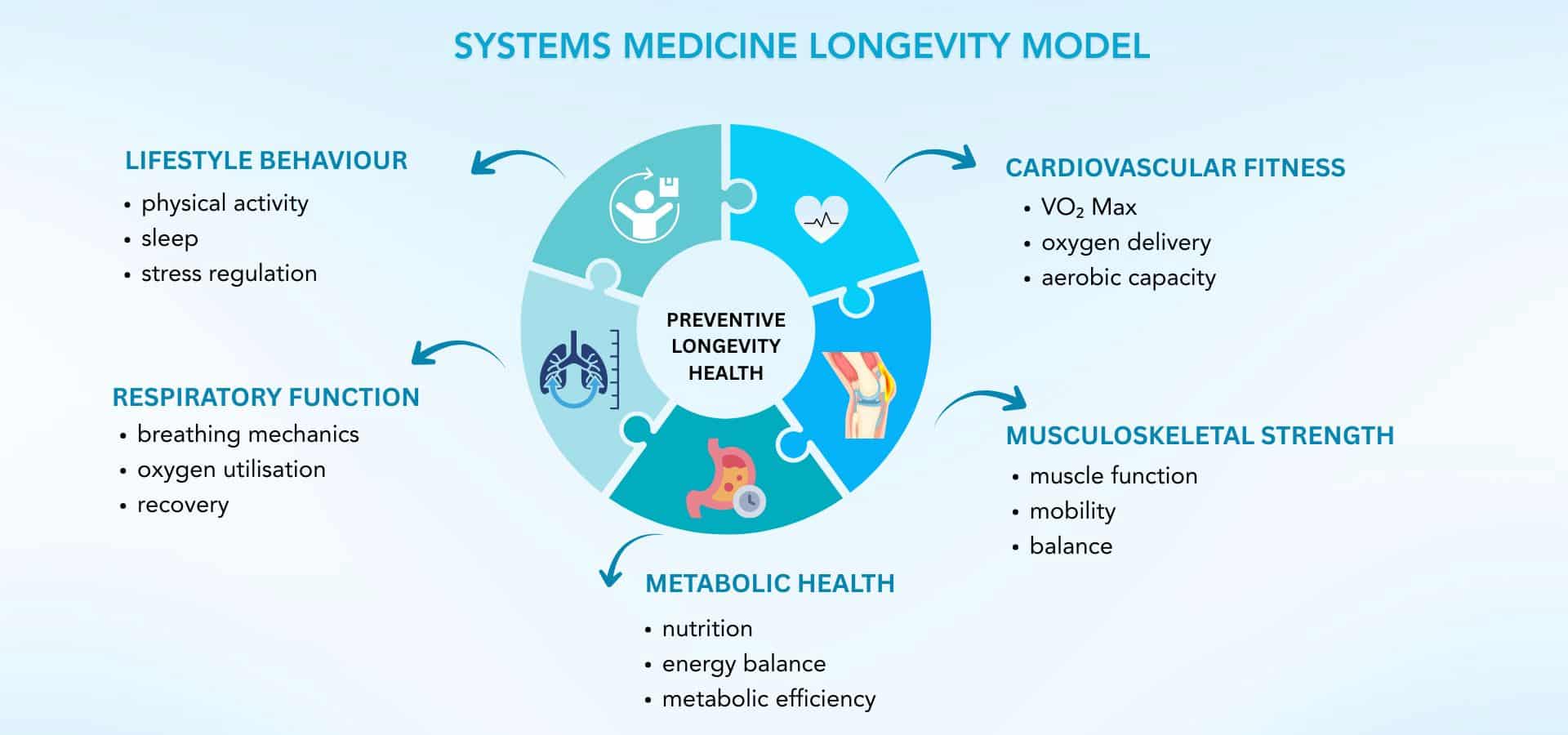
Rather than focusing only on disease treatment after symptoms appear, the clinic emphasises preventive health evaluation. Physiological testing and lifestyle analysis help identify patterns that may influence long-term health before they develop into clinical conditions. This approach is sometimes described as “preclinical prevention,” where health signals are interpreted early so individuals can adjust behaviours and maintain functional capacity over time.
A key principle in this model is the distinction between chronological age and biological age. While chronological age reflects the number of years lived, biological age represents how effectively physiological systems function. Indicators such as cardiovascular fitness, physical strength, metabolic health, and lifestyle behaviours often provide meaningful insight into long-term health status.
Through physiological assessments and practitioner-led interpretation, the clinic aims to help individuals understand how daily habits influence their long-term health trajectory. The objective is not to promise disease prevention or extended lifespan, but to support informed choices that may help maintain vitality, mobility, and independence over time.
Core System Focus
Within the clinic’s evaluation framework, several physiological systems are frequently assessed together to understand overall functional health.
- Cardiovascular Fitness: Cardiorespiratory capacity, often measured through VO₂ Max testing, provides insight into the body’s ability to deliver oxygen during physical activity and is widely studied as a predictor of long-term health outcomes.
- Musculoskeletal Strength and Movement Quality: Strength and mobility assessments evaluate muscle function, joint stability, and movement efficiency. These indicators help identify weaknesses or imbalances that may influence injury risk or functional decline over time.
- Metabolic and Nutritional Health: Dietary patterns, energy balance, and nutritional habits are reviewed to understand how daily behaviours influence metabolic health and long-term resilience.
- Respiratory Function and Breathing Patterns: Breathing efficiency and respiratory patterns may also be assessed, as breathing mechanics influence oxygen delivery, stress regulation, and physical recovery.
|
🔍 Did You Know?
Cardiorespiratory fitness is one of the strongest predictors of long-term health outcomes. Research has shown that even a 1 ml/kg/min increase in VO₂ Max may be associated with approximately a 9% reduction in all-cause mortality risk, highlighting the importance of maintaining cardiovascular fitness across the lifespan.
|
Lifestyle as a Health Tool
Lifestyle behaviours play a central role in long-term health outcomes. Regular physical activity, balanced nutrition, effective recovery, and stress regulation all contribute to maintaining functional capacity across the lifespan.
Consultations may therefore include discussion of:
- exercise habits and physical activity patterns
- dietary behaviours and nutritional strategies
- sleep quality and recovery patterns
- breathing techniques used to regulate stress responses
These lifestyle factors are often evaluated together because they interact with multiple biological systems simultaneously. Improving sleep quality for recovery also plays a key role in long-term health.
Rather than recommending generic health advice, practitioners typically interpret these patterns within the broader context of an individual’s health goals, lifestyle demands, and physiological test results.
Advanced Diagnostics & Medical Assessment
Bristol Longevity, under Dr. Georgina 'George' Moore (MBChB, BSc Hons), applies a diagnostics-first framework with heavy emphasis on three core named diagnostic services alongside specialized functional testing.
Named Core Diagnostics
- Advanced Lipidomics: Advanced lipid particle analysis providing granular cardiovascular risk data beyond standard cholesterol panels measuring particle types, sizes, and concentrations to identify atherosclerotic risk patterns that routine lipid tests miss.
- GlycanAge Biological Age Testing: GlycanAge measures biological age using glycan biomarkers, providing an objective, data-driven measure of how quickly (or slowly) an individual is biologically aging relative to population norms. Results are interpreted by Dr. Georgina Moore within the broader clinical context.
- DEXA Scanning: DEXA provides precise measurements of bone density, lean muscle mass, and visceral fat distribution clinically relevant body composition data used to identify sarcopenia risk, visceral adiposity, and skeletal health indicators.
Specialised Testing
- Continuous Glucose Monitoring (CGM): Real-time glucose monitoring over an extended period identifying glycemic variability, insulin response patterns, and metabolic flexibility in a way that single-point blood tests cannot.
- VO₂ Max Testing: Direct measurement of cardiorespiratory fitness capacity, breath-by-breath analysis of oxygen utilization during controlled exercise, providing one of the strongest predictors of long-term health outcomes.
Full Diagnostic Assessment
|
Diagnostic Tool
|
What It Evaluates
|
|
Advanced Lipidomics
|
Lipid particle types, sizes, concentrations, and granular cardiovascular risk
|
|
GlycanAge (Biological Age)
|
Biological aging rate via glycan biomarkers
|
|
DEXA
|
Bone density, lean muscle mass, visceral fat distribution
|
|
CGM (Continuous Glucose Monitoring)
|
Glycaemic variability and metabolic flexibility over time
|
|
VO₂ Max Testing
|
Cardiorespiratory fitness capacity and aerobic efficiency
|
|
Strength & movement evaluation
|
Muscle function, joint stability, movement quality
|
|
Breathwork & respiratory analysis
|
Respiratory efficiency and stress regulation
|
|
Nutritional assessment
|
Dietary patterns and metabolic health
|
|
⚠️ Editorial Note
Physiological testing such as VO₂ Max measurement, strength assessment, and respiratory analysis can provide useful insight into functional health. However, these results represent health indicators rather than medical diagnoses and should be interpreted alongside an individual’s medical history and clinical evaluation. Preventive assessments are intended to complement conventional healthcare, not replace medical diagnosis or treatment.
|
Bristol Longevity’s clinical approach focuses on preventive health evaluation through physiological benchmarking and multidisciplinary consultation, aligned with the Medicine 3.0 longevity model. Rather than prioritising reactive treatment or isolated wellness services, the clinic integrates medical insight, functional testing, and lifestyle analysis within a single coordinated framework.
By combining expertise across general practice, nutrition science, physiotherapy, and respiratory physiology, practitioners evaluate multiple biological systems together. This integrated approach helps identify patterns that may influence long-term health, functional capacity, and resilience.
The following areas represent the clinic’s primary strengths.
Key Medical Strength 1: Advanced Lipidomics
Advanced Lipidomics is a named specialist diagnostic capability at Bristol Longevity under Dr. Georgina 'George' Moore's physician oversight. This goes significantly beyond standard cholesterol testing to provide detailed lipid particle analysis, identifying cardiovascular risk patterns not detectable through routine blood panels.
|
🔍 Did You Know?
Large longitudinal studies have shown that individuals with higher cardiorespiratory fitness levels may experience significantly lower risk of cardiovascular disease and premature mortality compared with those with low fitness levels.
|
Key Medical Strength 2: GlycanAge Biological Age Testing
GlycanAge is the clinic's named biological age methodology, providing a data-driven, trackable measure of biological aging trajectory. Interpreted by Dr. Moore, GlycanAge results provide a meaningful clinical baseline against which future assessments can be compared.
Key Medical Strength 3: DEXA Body Composition
DEXA scanning provides physician-grade precision measurements of bone density, muscle mass, and visceral fat critical for identifying sarcopenia, osteoporosis risk, and metabolic body composition patterns that standard BMI assessment cannot detect.
Key Medical Strength 4: Continuous Glucose Monitoring (CGM) + VO₂ Max
CGM and VO₂ max testing together provide a comprehensive picture of metabolic and cardiovascular function, CGM revealing real-time glycemic patterns over days and VO₂ max providing direct cardiorespiratory fitness measurement. Both named, specialized services under Dr. Moore's clinical oversight.
Key Medical Strength 5: Elite Longevity Program
The Elite Longevity Program is a personalized, data-driven health management program, the clinic's flagship offering for individuals seeking sustained longitudinal health oversight, integrating all named diagnostic tools (Advanced Lipidomics, GlycanAge, DEXA, CGM, VO₂ Max) under Dr. Georgina Moore's physician direction.
The following examples reflect patient experiences described in publicly available materials and reviews. These summaries illustrate how structured consultation and multidisciplinary assessment may translate into practical outcomes for individuals pursuing preventive health strategies.
They should not be interpreted as guaranteed medical results. Individual experiences vary depending on health status, lifestyle habits, and adherence to practitioner guidance.
Outcome 1 – Symptom Improvement Through Nutrition Guidance
Before:
A patient reported persistent fatigue and digestive discomfort that affected daily energy levels and overall wellbeing.
After:
Following evidence-based nutritional guidance and dietary adjustments provided during consultation, the patient reported noticeable improvement in symptoms and daily energy levels within a short period of time.
Source:
Patient-reported experience from clinic testimonials.
Outcome 2 – Return to Physical Activity After Injury
Before:
A patient recovering from a musculoskeletal injury experienced difficulty returning to regular physical activity and was concerned about long-term mobility.
After:
Through structured strength and movement assessment followed by targeted physiotherapy guidance, the patient gradually rebuilt functional strength and reported successfully returning to activities such as jogging.
Source:
Patient-reported experience from clinic testimonials.
Outcome 3 – Improved Resilience and Physical Confidence
Before:
A patient seeking preventive health consultation reported concerns about declining strength and long-term physical resilience.
After:
Following strength and conditioning guidance combined with multidisciplinary health assessment, the patient reported increased confidence in their physical capacity and improved overall vitality.
Source:
Patient-reported experience from clinic testimonials.
|
⚠️ Editorial Note
These examples reflect individual experiences reported within publicly available clinic materials and patient testimonials. Outcomes vary between individuals and depend on multiple factors including baseline health status, lifestyle behaviours, and ongoing medical supervision. They should not be interpreted as clinical guarantees or predictive medical outcomes.
|
Initial Longevity Consultation £450
This program is the entry point into Bristol Longevity with Dr. Georgina 'George' Moore.
- Medical history review and lifestyle discussion with Dr. Moore
- Discussion of diagnostic priorities across Advanced Lipidomics, GlycanAge, DEXA, CGM, and VO₂ Max
- Programme recommendation: Elite Longevity Program or targeted assessments
- £450
Elite Longevity Program Flagship Programme
A named, personalized, data-driven health management program under Dr. Georgina Moore.
The clinic's flagship offering integrating all named diagnostics into a structured, longitudinal health management framework:
Core Diagnostics Included:
- Advanced Lipidomics: granular cardiovascular risk profiling
- GlycanAge Biological Age testing: trackable biological aging measurement
- DEXA: bone density, muscle mass, visceral fat
- Continuous Glucose Monitoring (CGM): glycaemic variability and metabolic flexibility
- VO₂ Max testing: cardiorespiratory fitness measurement
Program Structure:
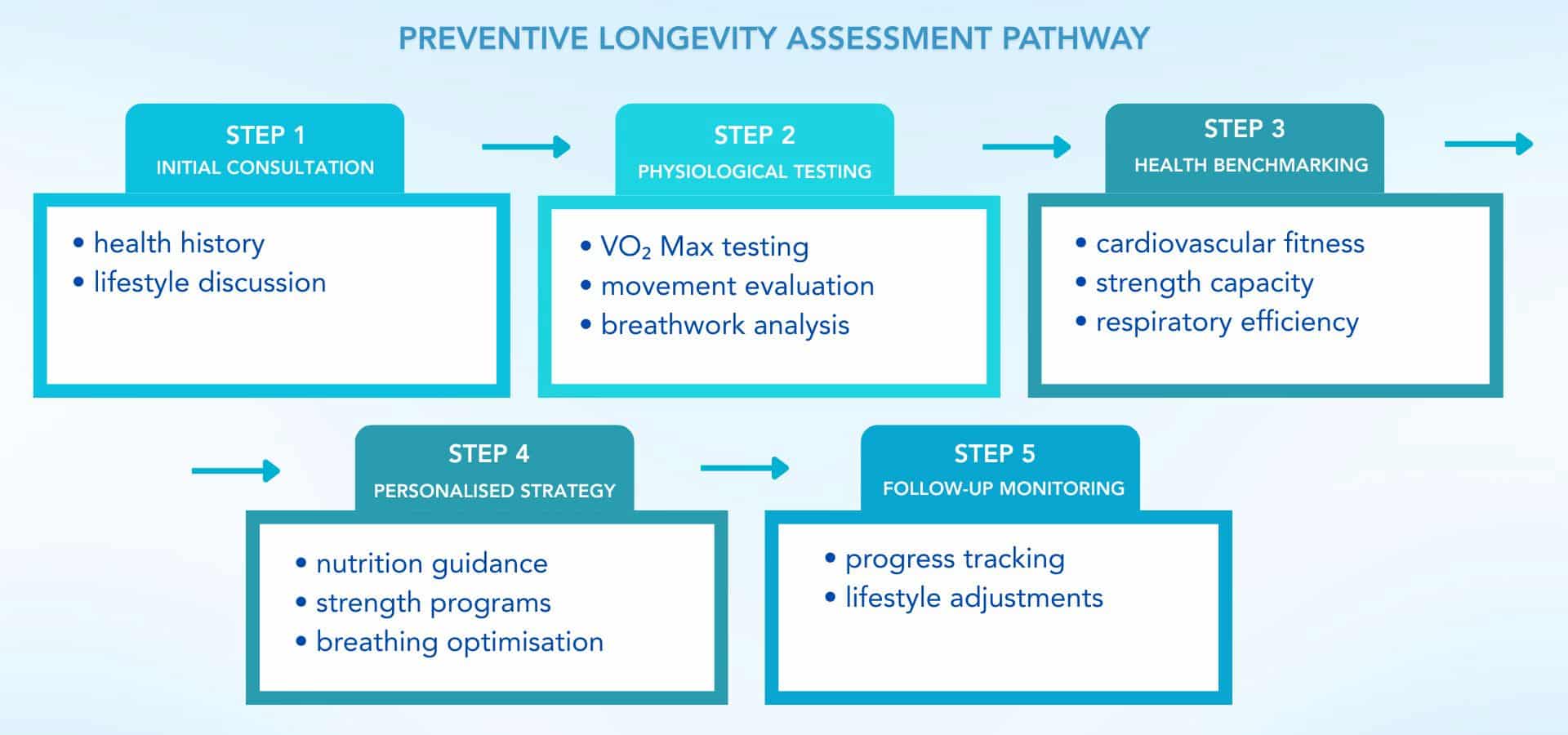
- Initial Longevity Consultation (£450) → diagnostic testing → Dr. Moore's physician interpretation → personalised health strategy → structured follow-up and monitoring
Pricing: On consultation following initial £450 assessment
Standalone Assessment Options
- Advanced Lipidomics — on consultation
- GlycanAge Biological Age Test — on consultation
- DEXA Body Composition Scan — on consultation
- VO₂ Max Testing — on consultation
- CGM (Continuous Glucose Monitoring) — on consultation
- Strength & Movement Evaluation — on consultation
- Breathwork & Respiratory Analysis — on consultation
Strength and Conditioning Programs
Functional strength, mobility, and physical resilience sessions supporting muscle maintenance, joint stability, and coordination integrated within the Elite Longevity Program or available standalone.
Breathing Retraining Programs
Respiratory pattern evaluation and retraining improve breathing efficiency, stress regulation, and recovery, structured within consultation sessions.
|
🔍 Did You Know?
Cardiorespiratory fitness is widely recognised as one of the strongest indicators of long-term health. Large meta-analysis studies show that individuals with higher aerobic fitness levels tend to have significantly lower risks of cardiovascular disease and premature mortality compared with those with low fitness. For this reason, assessments such as VO₂ Max testing are often used in preventive health evaluation to measure cardiovascular efficiency and overall physiological resilience.
|
Strength and Conditioning Programs
Strength and conditioning programs focus on improving functional strength, mobility, and physical resilience. These sessions are designed to support muscle maintenance, joint stability, and coordination, which play important roles in maintaining independence throughout the aging process.
Programs may address areas such as:
- muscle strength and endurance
- balance and coordination
- movement efficiency and joint stability
- injury prevention and rehabilitation support
Developing strength and movement quality can contribute to long-term physical resilience and functional capacity.
Breathing Retraining Programs
Breathing retraining sessions evaluate respiratory patterns and introduce techniques that may help regulate breathing efficiency and stress responses.
Breathing mechanics influence oxygen delivery, recovery after exercise, and autonomic nervous system regulation. By improving breathing patterns, individuals may support physical recovery, stress management, and overall physiological balance.
These programs are typically delivered through structured consultation sessions and guided exercises tailored to individual breathing patterns.
Bristol Longevity operates as a preventive health clinic within the Health & Performance Centre in Clifton, Bristol. The environment is designed to support clinical consultation, physiological testing, and structured health assessments rather than recreational wellness experiences or residential retreats.
Services are delivered through scheduled consultations and guided assessment sessions. The clinic focuses on functional health evaluation, lifestyle optimisation, and practitioner interpretation of physiological data.
Health programs are typically developed through collaboration between multiple specialists, allowing different aspects of health to be assessed within a coordinated framework.
Medical & Restorative Services
Services available at Bristol Longevity reflect its multidisciplinary approach to preventive health and longevity evaluation.
These may include:
- General practitioner consultation, providing medical insight and clinical interpretation of health indicators
- Nutritional assessment, evaluating dietary habits and metabolic health patterns
- Strength and movement evaluation, assessing muscle function, mobility, and balance
- VO₂ Max cardiovascular testing, measuring aerobic capacity and cardiorespiratory fitness
- Breathing assessment and retraining, analysing respiratory patterns and stress regulation
These services are typically integrated into structured consultation programs designed to evaluate health patterns and support long-term functional capacity.
Clinical Facilities
Consultations and physiological assessments take place within dedicated clinical spaces located inside the Health & Performance Centre.
Facilities support several forms of health evaluation, including:
- cardiovascular fitness testing
- strength and movement assessment
- respiratory evaluation and breathwork training
- nutrition consultation sessions
- follow-up review and health strategy discussions
The clinic operates as an outpatient consultation practice and does not provide inpatient care, surgical procedures, or emergency medical services.
Architecture, Environment & Digital Health Integration
The clinic environment emphasises privacy, clinical clarity, and structured assessment rather than recreational wellness facilities. Appointments are scheduled individually to maintain consultation focus and allow sufficient time for practitioner evaluation.
Patient data collected during assessments may be used to support longitudinal health monitoring. By integrating physiological measurements with practitioner interpretation, the clinic aims to help individuals understand how lifestyle behaviours influence long-term health patterns.
Bristol Longevity structures its services around individual consultations and health assessments rather than fixed membership programs or residential packages. Engagement typically begins with a comprehensive health evaluation followed by practitioner-guided strategies based on physiological testing and consultation findings.
Because recommendations are developed through multidisciplinary assessment, the number of sessions and program duration may vary depending on an individual’s health goals, baseline fitness, and lifestyle considerations.
The clinic operates as an outpatient consultation facility, meaning individuals attend scheduled appointments and return to their normal routines after each session.
Pricing
|
Service
|
Price
|
|
Initial Longevity Consultation
|
£450
|
|
Elite Longevity Program
|
On consultation
|
|
Advanced Lipidomics
|
On consultation
|
|
GlycanAge Biological Age Test
|
On consultation
|
|
DEXA Body Composition Scan
|
On consultation
|
|
VO₂ Max Testing
|
On consultation
|
|
CGM (Continuous Glucose Monitoring)
|
On consultation
|
|
Standalone strength / breathwork sessions
|
On consultation
|
Pricing Notes
|
Category
|
Details
|
|
Clinic Positioning
|
Preventive longevity and health optimization clinic, Bristol
|
|
Medical Director
|
Dr. Georgina 'George' Moore (MBChB, BSc Hons)
|
|
Entry Point
|
Initial Longevity Consultation £450
|
|
Flagship Programme
|
Elite Longevity Program pricing on consultation
|
|
Named Diagnostics
|
Advanced Lipidomics / GlycanAge / DEXA / CGM / VO₂ Max
|
|
Contact
|
hello@bristollongevity.co.uk
|
How Programs Are Structured
Health programs at Bristol Longevity typically follow a structured consultation pathway.
- Pre-visit preparation: Individuals may provide background information about their health history, lifestyle habits, and personal goals prior to their first appointment.
- Initial consultation and health assessment: The practitioner reviews medical history and conducts physiological assessments designed to evaluate cardiovascular fitness, strength, respiratory function, and lifestyle factors.
- Practitioner interpretation: Assessment results are interpreted within the broader context of lifestyle behaviours and functional health indicators.
- Personalised health strategy: Where appropriate, practitioners may recommend lifestyle adjustments, strength training guidance, nutritional strategies, or breathing techniques to support long-term health.
These structured assessments are similar to executive longevity testing packages designed for high performers.
Length of Stay
Bristol Longevity operates exclusively as an outpatient consultation clinic.
Patients typically attend scheduled appointments and return home following each session. The clinic does not provide overnight accommodation or residential treatment programs.
For individuals travelling from outside Bristol, consultations are often scheduled during short visits to the city or alongside existing travel plans.
Clinic: Bristol Longevity Medical Director: Dr. Georgina 'George' Moore (MBChB, BSc Hons) Address: Litfield House Medical Centre, 1 Litfield Place, Clifton, Bristol BS8 3LS Email: hello@bristollongevity.co.uk
Bristol Longevity operates as an outpatient consultation clinic at Litfield House Medical Centre in Clifton; no overnight stay required.
Recommended Length of Stay
- Initial Longevity Consultation: 60–90 minutes (£450)
- Elite Longevity Program diagnostics: Multi-session across appointment blocks
- Follow-up reviews: Scheduled at defined intervals (in person or remote where appropriate)
How to Reach the Clinic
The clinic’s location in Clifton provides convenient access through several transportation routes.
Nearest Airport:
Bristol Airport
Typical Transfer Time:
Approximately 20–30 minutes by car, depending on traffic conditions.
Transport Options:
• taxi services
• bus connections
• national rail services
• private car services
Visitors travelling from other parts of the United Kingdom may also reach Bristol through national rail services and motorway connections.
🔗 Find best flights to Bristol
🔗 Find car rentals in Bristol
Links are provided for travel planning convenience only.
Accommodation & Stay Planning
Bristol Longevity does not provide on-site accommodation.
Visitors travelling from outside Bristol typically arrange nearby hotels or serviced apartments depending on their travel preferences and schedule. Clifton and central Bristol offer a range of accommodation options within short travel distance of the clinic.
🔗 Explore nearby hotels & apartments
What to Bring
Visitors attending consultation appointments may wish to bring:
- previous medical reports or laboratory results
- current medication list
- relevant imaging or diagnostic reports
- personal identification
Providing previous health information may help practitioners better understand an individual’s medical history during consultation.
The preventive health and longevity sector has expanded significantly in recent years, bringing together clinical medicine, exercise physiology, nutrition science, and health data analysis. Clinics operating in this space often focus on evaluating biological health indicators and lifestyle patterns that may influence long-term functional wellbeing. For a broader comparison, see the best longevity clinics in the UK.
Bristol Longevity operates within this evolving sector by combining physiological testing with multidisciplinary clinical consultation. Rather than positioning itself as a treatment centre for specific diseases, the clinic focuses on structured health evaluation and lifestyle optimisation aimed at supporting long-term resilience and physical capacity.
Within this framework, the clinic’s model centres on interpreting physiological measurements—such as cardiovascular fitness, strength, mobility, and breathing patterns—and translating those insights into practical lifestyle strategies. You can also explore the best longevity clinics in London to compare leading providers.
What Patients Commonly Report
Patient experiences described in publicly available reviews and testimonials frequently highlight themes related to improved understanding of health patterns and greater confidence in managing lifestyle habits.
Reported experiences commonly include:
- increased awareness of cardiovascular fitness and physical capacity
- improved movement confidence and physical resilience
- better understanding of nutrition and lifestyle habits
- perceived improvements in energy levels and daily wellbeing
These experiences reflect individual perspectives shared by patients and should not be interpreted as guaranteed medical outcomes.
Media & Professional Recognition
Bristol Longevity operates within the broader health and performance sector in the United Kingdom. The clinic’s multidisciplinary approach reflects a growing trend in preventive healthcare, where practitioners from different disciplines collaborate to evaluate multiple aspects of health simultaneously.
Professional credibility in this field is typically supported by practitioner qualifications, evidence-informed practice, and ongoing integration of research from fields such as exercise science, lifestyle medicine, and preventive health.
As interest in longevity medicine continues to grow globally, clinics adopting multidisciplinary health evaluation models are increasingly focusing on measurable indicators such as cardiovascular fitness, physical strength, and lifestyle behaviour patterns to guide preventive strategies.
Bristol Longevity operates within the preventive health and longevity sector, a field increasingly focused on understanding the biological processes associated with aging and functional decline. While traditional healthcare systems typically address disease after symptoms appear, preventive longevity clinics evaluate physiological signals earlier through structured health assessments and lifestyle analysis.
The clinic follows a systems-based approach to health evaluation. Rather than focusing on isolated measurements, practitioners assess how cardiovascular fitness, musculoskeletal strength, metabolic health, respiratory function, and lifestyle behaviours interact to influence overall wellbeing. This multidisciplinary perspective allows health patterns to be interpreted across several biological systems simultaneously.
Functional health indicators such as cardiorespiratory fitness and movement capacity play a central role in this model. Measures like VO₂ Max testing, strength evaluation, and respiratory assessment provide insight into physiological performance and resilience. This reflects trends seen across the best longevity clinics in Europe.
Within the broader healthcare landscape, Bristol Longevity operates as a preventive consultation clinic rather than a conventional medical treatment facility. Its focus remains on structured health evaluation and lifestyle guidance for individuals seeking insight into their long-term health patterns and functional wellbeing.
Is Bristol Longevity a medical clinic or a wellness centre?
Bristol Longevity operates as a preventive health and longevity assessment clinic. It provides structured physiological testing, practitioner interpretation, and lifestyle guidance focused on long-term health evaluation.
The clinic does not operate as a spa, retreat facility, or recreational wellness centre.
Who is the clinic designed for?
The clinic is designed for individuals interested in preventive health assessment and long-term physical performance.
Visitors commonly include professionals, executives, athletes, and individuals seeking insight into cardiovascular fitness, metabolic health, and functional ageing patterns.
How personalised is the assessment process?
Assessments are tailored to the individual through practitioner-led consultation and physiological testing.
Testing may include measurements of cardiovascular fitness, body composition, respiratory capacity, strength, and mobility. These results are interpreted collectively to provide a broader picture of functional health.
How is privacy handled during assessments?
Testing and consultations take place in a controlled clinical environment. Personal health information is handled according to professional confidentiality standards used within health and fitness assessment practices.
Can visitors remain connected to work during their visit?
Yes. Bristol Longevity operates through scheduled appointments rather than residential programs.
Most assessments are completed within defined time blocks, allowing visitors to integrate testing sessions into normal workdays or existing travel schedules.
Does the clinic treat medical conditions such as diabetes or heart disease?
Bristol Longevity focuses on preventive health assessment and physiological performance evaluation.
It does not replace medical diagnosis or treatment provided by licensed healthcare providers. Individuals with existing medical conditions should continue to consult their physicians for medical care.
How should value be evaluated relative to cost?
The value of preventive health assessments is typically determined by the depth of physiological testing, practitioner interpretation, and the clarity of information provided about long-term health patterns.
Bristol Longevity focuses on structured health evaluation rather than medical treatment programs.
A Strategic Pause That Protects the Years Ahead
In high-performance environments, decisions are rarely made without structured analysis. Financial strategy, operational risk, and long-term planning all rely on early signals that help guide future actions. Health often follows a similar principle. Many physiological changes develop gradually, long before they are noticeable in everyday life.
Preventive health models attempt to interpret these signals before they develop into clinical problems. By examining indicators such as cardiovascular fitness, physical strength, movement patterns, and lifestyle behaviours, individuals may gain a clearer understanding of how daily habits influence long-term wellbeing.
Bristol Longevity operates within this preventive framework. The clinic’s consultations focus on structured physiological assessment, multidisciplinary interpretation, and lifestyle strategies designed to support long-term functional capacity. Rather than promoting rapid health transformations or experimental longevity interventions, the clinic emphasises measurable indicators of physical resilience and sustainable health practices.
For professionals managing demanding schedules, the relevance of preventive consultation often lies in perspective. Understanding patterns in cardiovascular fitness, physical strength, respiratory function, and lifestyle habits may help individuals make informed adjustments that support long-term vitality.
Longevity science continues to evolve, and preventive health assessment represents only one part of a broader healthcare landscape. When integrated responsibly alongside conventional medical care, structured evaluation and lifestyle awareness may contribute to maintaining independence, resilience, and quality of life over time.
👉 View Longevity Program
↩ Return to ExtendMy.Life
↑ Back to Top
Disclaimer
This page is provided for informational and editorial purposes only. Its purpose is to support structured review and informed decision-making regarding preventive health services.
The information presented does not constitute medical advice, diagnosis, or treatment. Reading this content does not establish a doctor–patient relationship with Bristol Longevity, its practitioners, or ExtendMy.Life.
Preventive health assessments, lifestyle consultation, and physiological testing operate within frameworks that differ from conventional medical diagnosis. Research exploring longevity science, lifestyle medicine, and preventive health continues to evolve, and individual outcomes may vary depending on physiology, lifestyle behaviours, and existing health conditions.
Descriptions of services and health assessments are provided solely to explain the consultation processes offered by the clinic. They should not be interpreted as medical recommendations or guarantees of benefit.
Individuals experiencing symptoms, chronic conditions, or medical concerns should consult qualified healthcare professionals. Preventive health consultation should not replace appropriate medical care or specialist treatment where required.
Any decisions regarding health testing, lifestyle modification, supplementation, or exercise programs should be made in consultation with a licensed healthcare provider who is familiar with an individual’s medical history.
ExtendMy.Life does not provide medical services and does not recommend specific treatments or medical interventions.
References
Blair, S.N., Kohl, H.W., Paffenbarger, R.S., Clark, D.G., Cooper, K.H. and Gibbons, L.W. (1989) ‘Physical fitness and all-cause mortality: A prospective study of healthy men and women’, JAMA, 262(17), pp. 2395–2401.
Kodama, S., Saito, K., Tanaka, S., Maki, M., Yachi, Y., Asumi, M., Sugawara, A., Totsuka, K., Shimano, H., Ohashi, Y., Yamada, N. and Sone, H. (2009) ‘Cardiorespiratory fitness as a quantitative predictor of all-cause mortality and cardiovascular events: A meta-analysis’, JAMA, 301(19), pp. 2024–2035.
Ross, R., Blair, S.N., Arena, R., Church, T.S., Després, J.P., Franklin, B.A., Haskell, W.L., Kaminsky, L.A., Levine, B.D., Lavie, C.J., Myers, J. and Niebauer, J. (2016) ‘Importance of assessing cardiorespiratory fitness in clinical practice: A case for fitness as a clinical vital sign’, Circulation, 134(24), pp. e653–e699.
Sui, X., LaMonte, M.J., Laditka, J.N., Hardin, J.W., Chase, N., Hooker, S.P. and Blair, S.N. (2007) ‘Cardiorespiratory fitness and adiposity as mortality predictors in older adults’, JAMA, 298(21), pp. 2507–2516.
Warburton, D.E.R., Nicol, C.W. and Bredin, S.S.D. (2006) ‘Health benefits of physical activity: The evidence’, Canadian Medical Association Journal, 174(6), pp. 801–809.
Seals, D.R., Justice, J.N. and LaRocca, T.J. (2016) ‘Physiological geroscience: Targeting function to increase healthspan and achieve optimal longevity’, The Journal of Physiology, 594(8), pp. 2001–2024.
Huberman, A.D. and Feldman, J.L. (2022) ‘The neuroscience of breathing and its role in regulating brain and body states’, Cell Reports Medicine, 3(5), 100563.